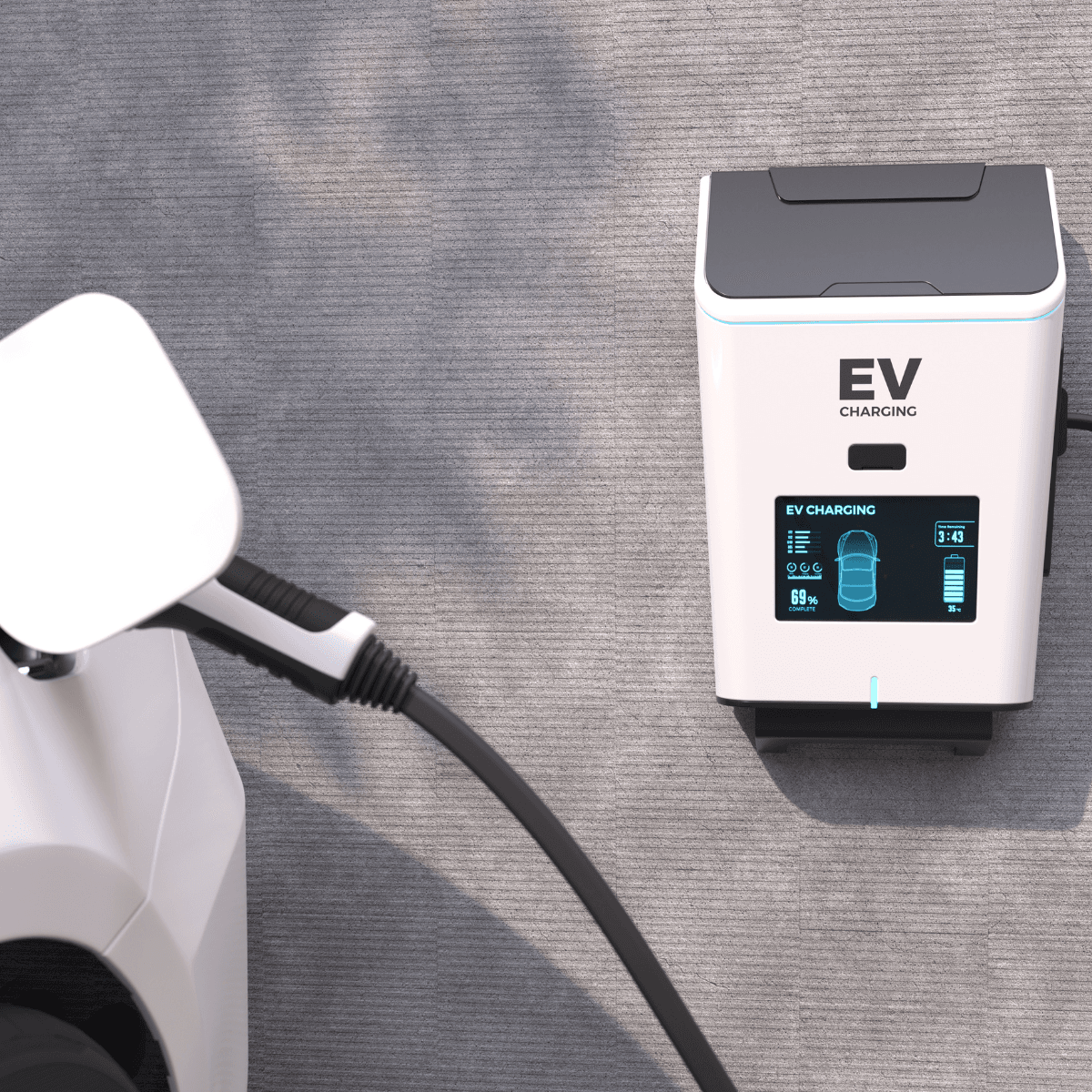
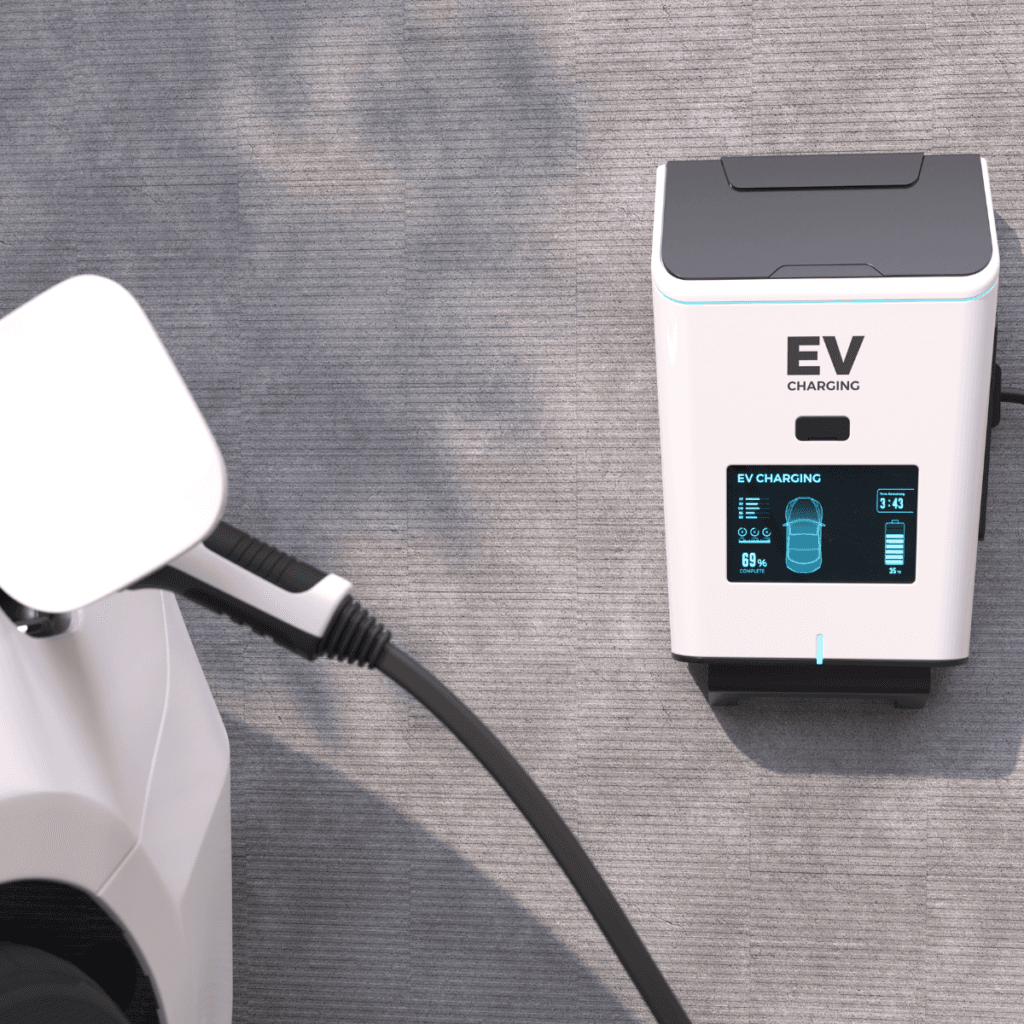
Electric vehicles are no longer a niche purchase in Calgary. As more residents make the switch, a practical question is coming up in board meetings and property management offices with increasing regularity: how does a condo owner actually get a charger installed in their parking stall?
The answer involves provincial legislation, building infrastructure, board decisions, and a relatively new City of Calgary funding program that most condo communities have not yet taken advantage of. Here is how it all fits together.
This surprises a lot of people, and it is worth stating clearly upfront. Unlike Ontario, which amended its Condominium Act in 2018 to give owners a formal right to apply for EV charging, and unlike British Columbia, which requires strata corporations to not unreasonably deny charger installation requests, Alberta has not passed equivalent legislation.
What that means for Calgary condo owners is that the process is governed primarily by your condominium corporation’s bylaws, the existing Condominium Property Act, and the board’s discretion. Alberta’s Condominium Property Act was amended to make it easier for condo owners to install EV chargers, and your condo board cannot unreasonably deny a request, but you will likely need to cover the installation cost and prove the charger will not overload the building’s electrical system.
That standard, “unreasonably deny,” is doing a lot of work in that sentence. What counts as reasonable is not always obvious, and it depends heavily on the building’s electrical capacity, the parking structure, and what the corporation’s bylaws say about alterations to common property.
The board of directors makes the call. An owner who wants to install a charger in their parking stall is typically making a request to alter or connect to common property, which is exactly the kind of decision that sits with the board.
Boards that receive these requests face a genuine challenge: they need to balance the interests of the owner making the request with the interests of the corporation and the broader membership. A charger installation that draws significant power from shared electrical infrastructure affects everyone in the building, not just the person who asked for it. That is not a reason to say no automatically, but it is a reason to ask the right questions before saying yes.
The questions worth asking include whether the building’s existing electrical capacity can support a charger, or multiple chargers if several owners are likely to request them over time, and whether any upgrades would be needed to the electrical panel or service entry. These are technical questions that require input from a licensed electrician or professional engineer, not something a board can reasonably assess on its own.
Generally speaking, the owner who wants the charger pays for it. That covers the cost of the unit itself, the installation, any dedicated wiring run from the electrical panel to the parking stall, and an ongoing electricity cost that needs to be tracked and billed back to the owner rather than shared across the corporation.
The last point matters more than it might seem. Most EVs charge from 20 percent to 80 percent in four to six hours on a Level 2 charger operating at 240 volts. That is a meaningful electricity draw over the course of a month, and if it runs through the building’s shared meter without a sub-metering solution, the cost gets distributed across all owners through condo fees. Sorting out how electricity will be measured and billed to the individual owner is part of what any reasonable approval process should address.
Where things get more complicated is when the parking stall itself is common property rather than a titled parking unit. In that case, any alteration involves the corporation’s property, which adds a layer to the approval process and may require a formal agreement between the owner and the corporation.
This is where the picture gets more encouraging, at least for condo communities in Calgary. The City of Calgary launched ChargeYYC, a pilot program specifically designed to help residents of multi-residential buildings install EV charging infrastructure.
The City of Calgary is providing funding to Calgarians living in condos, apartments, townhouses, rowhouses, and other multi-residential buildings to install electric vehicle chargers in their buildings. The program runs in two phases.
Phase 1 provides funding for an EV Charging Road Map, a technical plan developed by a licensed professional engineer that assesses the building’s current electrical capacity and maps out a realistic path to installing chargers. The grant covers up to $4,000 or 50 percent of the cost, whichever is lower, for developing this road map.
Phase 2 goes further. Phase 2 offers up to $100,000 in rebates per property to support EV charging infrastructure. The EV Enabled Rebate covers 50 percent of costs, up to $6,000 per stall and $90,000 total, for electrical upgrades needed to make parking EV ready. The EV Charger Rebate covers 50 percent of costs, up to $1,000 per single-port or $2,000 per dual-port station and $10,000 total, for installing new Level 2 chargers.
The full details and current application information are available directly on the City of Calgary ChargeYYC page.
What makes this program particularly relevant for condo boards is the planning component. Planning for long-term needs with neighbours can save money compared to installing one charger at a time, and it also helps identify challenges like electrical service limitations early. A building that develops a proper EV charging road map now is better positioned to handle individual owner requests as they come in, because the technical groundwork has already been done.
For condo boards in Calgary receiving their first EV charging request, or anticipating one soon, a thoughtful approach involves a few steps.
The first is to review the corporation’s bylaws and determine whether any existing provisions cover alterations to parking stalls or connections to common electrical infrastructure. Some bylaws will be silent on this entirely, which means the board is working from general alteration provisions. Others may have specific language that applies.
The second is to get a professional assessment of the building’s electrical capacity. This does not need to be an elaborate study, but a qualified electrician can quickly identify whether the existing panel and service can support one or several chargers, and what any upgrades would cost. The ChargeYYC road map process is a structured way to do exactly this with financial support from the city.
The third is to develop a policy before a backlog of individual requests builds up. A building that addresses the question proactively, with a clear process for how owners request a charger and what criteria the board uses to evaluate those requests, is in a much better position than one fielding ad hoc requests with no framework to work from.
EV adoption in Canada is growing steadily. The conversations happening in Calgary condo communities today around parking stalls and electrical capacity are conversations that more buildings will be having in the years ahead. Getting ahead of the question, rather than responding to it one request at a time, is practical planning rather than early adoption for its own sake.
At UrbanTec, we support condo communities across Calgary and surrounding areas through exactly these kinds of operational and governance questions. If your board is working through an EV charging request or thinking about developing a building policy, we are glad to help you navigate the process. Reach our team at hello@urbantec.ca or 403.971.1511.
This article provides general information and is not legal or engineering advice. For guidance specific to your building, consult a lawyer familiar with Alberta condominium law or a licensed professional engineer.