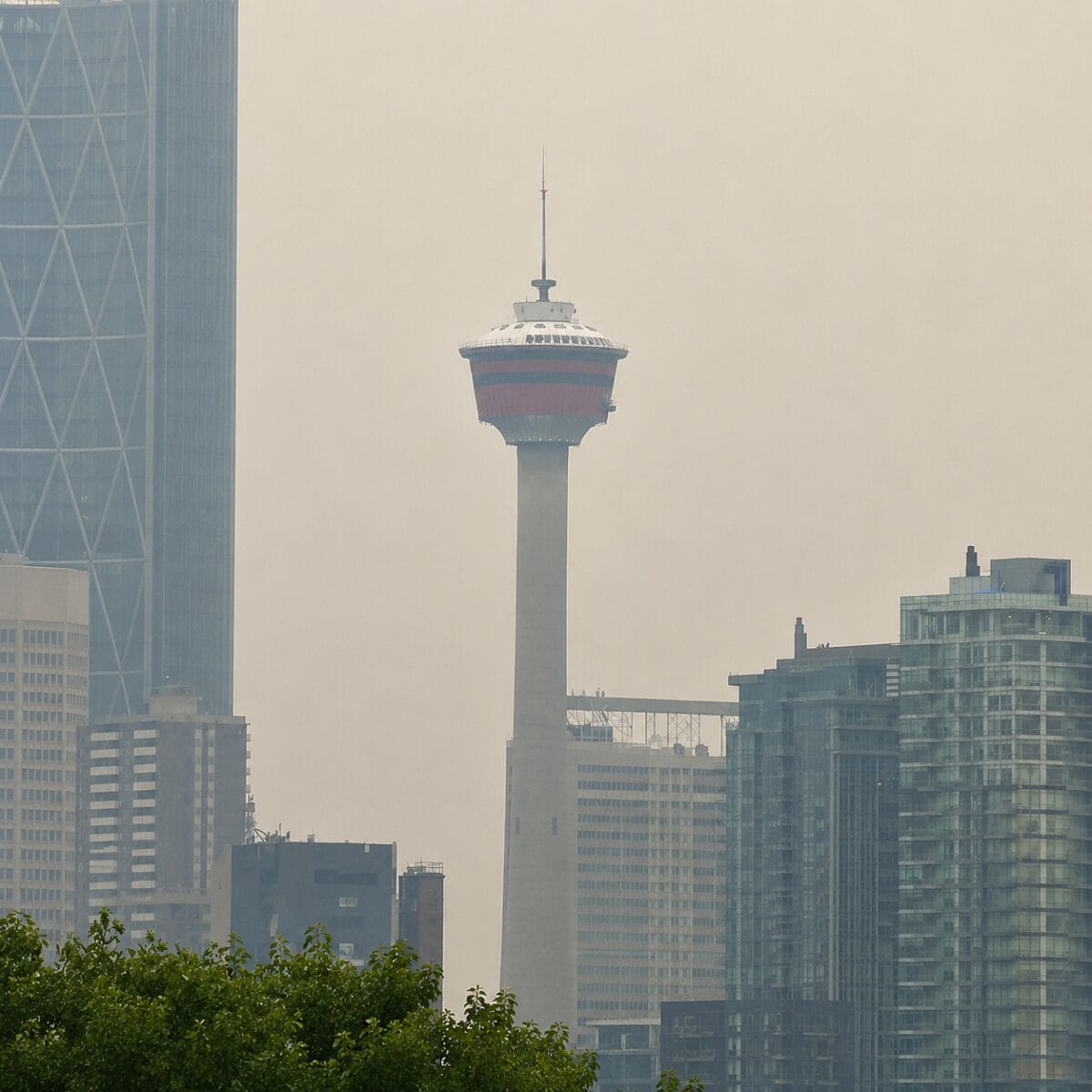
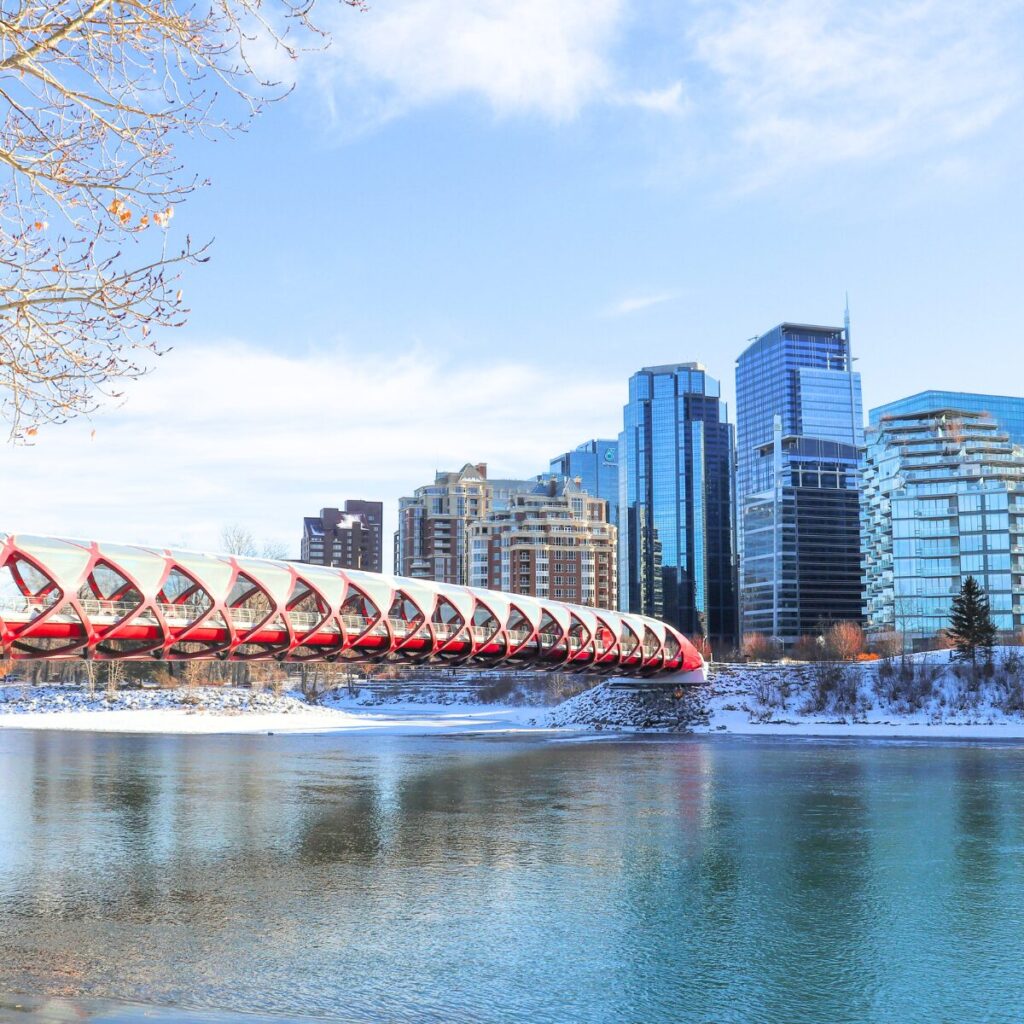
Living in Calgary means experiencing one of nature’s most dramatic weather phenomena. Those warm winds rolling over the Rockies can push temperatures from minus 20°C to plus 10°C within hours, turning winter into spring for a few glorious days. But while most Calgarians welcome the relief from brutal cold, condo owners are discovering an expensive truth: chinooks are quietly destroying their buildings.
The problem isn’t the warmth itself. It’s what happens when that warmth disappears just as quickly as it arrived.
Calgary experiences an average of 30 to 35 chinook days each year, according to recent meteorological data. Each event brings a rapid temperature spike that melts snow and ice, followed by an equally rapid plunge back to freezing. This creates what engineers call the freeze-thaw cycle, and it’s particularly brutal on multi-unit buildings.
Unlike detached homes where owners can monitor and maintain every surface, condominiums present a unique vulnerability. Shared walls, common roofing systems, and interconnected drainage networks mean that damage in one area can cascade throughout the building. A cracked foundation in a ground-floor unit doesn’t stay isolated. Water infiltration from compromised roofing affects multiple floors. And when problems develop in common areas, the entire corporation bears the financial burden.
Your condo’s foundation faces a constant assault you can’t see. When chinook winds push temperatures above freezing, snow melts into water that seeps into microscopic cracks in concrete. As temperatures plummet again overnight, that water freezes and expands by approximately 9 percent, exerting tremendous pressure from within.
According to LiveWire Calgary, this process is particularly destructive when combined with road salt. Chloride compounds used for ice control enter through those same tiny cracks, reacting with the reinforcing steel (rebar) inside concrete foundations. The result? Corrosion that weakens structural integrity from the inside out.
Foundation damage presents specific warning signs condo owners should watch for. Doors that suddenly jam or fail to latch properly often indicate foundation movement. Cracks appearing above doorways or where walls meet ceilings suggest structural shifting. Ceramic tiles cracking over concrete floors can signal foundation issues beneath. If your condo is experiencing any of these symptoms, a professional structural assessment is essential before minor issues become catastrophic failures.
Calgary’s freeze-thaw cycle hits roofing systems with particular intensity. During chinook events, snow on rooftops melts rapidly, creating water runoff that should drain away cleanly. But when temperatures drop again, that water refreezes at the roof’s edge, forming ice dams that block proper drainage.
The thermal expansion and contraction of roofing materials during rapid temperature changes creates additional stress. Shingles designed to withstand gradual seasonal changes struggle when subjected to 30-degree temperature swings within a 24-hour period. Over time, this constant expansion and contraction causes shingles to crack, lift, or completely detach, making them vulnerable to wind damage and water infiltration.
Perhaps no system suffers more from Calgary’s unique climate than drainage infrastructure. When chinook winds melt heavy snow accumulation in mere hours, the resulting water has to go somewhere. If your building’s drainage system can’t handle the sudden deluge, water pools near foundations, seeps into underground parking structures, or floods common areas.
The City of Calgary’s storm drain system experiences significant stress during chinook events, particularly when drains freeze solid during cold snaps and then face sudden meltwater surges. For condominiums, this creates a double challenge: managing water on private property while relying on municipal infrastructure that may be overwhelmed.
Summer 2025 brought this issue into sharp focus. After more than 200 millimeters of rain fell across June and July, foundation repair and waterproofing companies reported call volumes exceeding 300 percent above average. While this represented an extreme weather event, it demonstrated the vulnerability of buildings with inadequate drainage systems.
The good news? Strategic preventive measures can protect your investment and reduce long-term repair costs. The key is understanding which actions require individual unit owner responsibility versus condo corporation involvement.
Start with your windows and balconies. Ensure window wells are clear of debris and consider installing covers to prevent water and snow accumulation. According to the University of Calgary’s sustainability recommendations, window well drainage should include a rock layer three to six inches below the bottom of the window.
Monitor your unit for early warning signs of water infiltration. Look for water stains on walls or ceilings, particularly after chinook events. Check for musty odors that might indicate hidden moisture problems. If you notice increased condensation on windows during temperature swings, your unit may need improved ventilation or insulation.
Keep detailed records of any water-related issues and report them to your condo board immediately. Even minor leaks can indicate larger problems affecting multiple units or common areas. Early reporting allows the corporation to address issues before they escalate into expensive emergency repairs.
Professional inspections should occur at least twice annually, ideally in fall before winter sets in and again in spring after the harshest weather has passed. According to the City of Calgary’s building inspection guidelines, these inspections should focus on building envelope integrity, roofing condition, drainage functionality, and foundation stability.
Foundation inspections should include both exterior and interior assessments. Professional engineers can identify early signs of freeze-thaw damage before they become structural emergencies. Research on Calgary’s freeze-thaw impact on masonry shows particular vulnerability in chimneys, retaining walls, north-facing walls, parapets, and any decorative masonry elements that face exposure from multiple directions.
Choose roofing materials engineered for extreme temperature fluctuations. Impact-resistant shingles withstand both hail (another Calgary specialty) and the stress of rapid freeze-thaw cycles. Ice and water shield membranes installed under the first few feet of shingles create critical barriers against water infiltration.
Industry research shows that proper attic ventilation helps prevent ice dam formation by keeping the roof cold in winter. This prevents snow from melting and refreezing at roof edges.
Addressing freeze-thaw damage costs significantly less than ignoring it.
Reserve fund planning must account for Calgary’s unique climate challenges. According to provincial requirements, Alberta condo corporations must commission reserve fund studies every five years. These studies should specifically address accelerated deterioration rates caused by freeze-thaw cycles and incorporate realistic timelines for roof replacement, foundation repairs, and building envelope restoration.
Calgary’s chinooks represent a predictable, recurring threat to condominium infrastructure. Unlike one-time disasters such as floods or fires, freeze-thaw damage accumulates gradually, making it easy to overlook until problems become severe.
The solution requires a three-pronged approach: regular professional inspections, strategic preventive investments, and prompt attention to emerging issues. Condo boards that treat freeze-thaw damage as an inevitable reality rather than a distant possibility protect both property values and owner investments.
Calgary’s weather won’t change. Those spectacular chinooks will continue bringing welcome warmth throughout winter. But with proper planning and maintenance, your condo can weather the temperature swings without falling apart in the process.
If you’re concerned about freeze-thaw damage in your condo building, professional assessment is the first step. UrbanTec specializes in helping Calgary condo corporations navigate the unique challenges of our climate. From comprehensive building envelope inspections to strategic maintenance planning designed specifically for chinook country, we understand what it takes to protect your property against temperature extremes.
Contact UrbanTec today to schedule a consultation and discover how proactive maintenance protects your building’s long-term integrity and value.